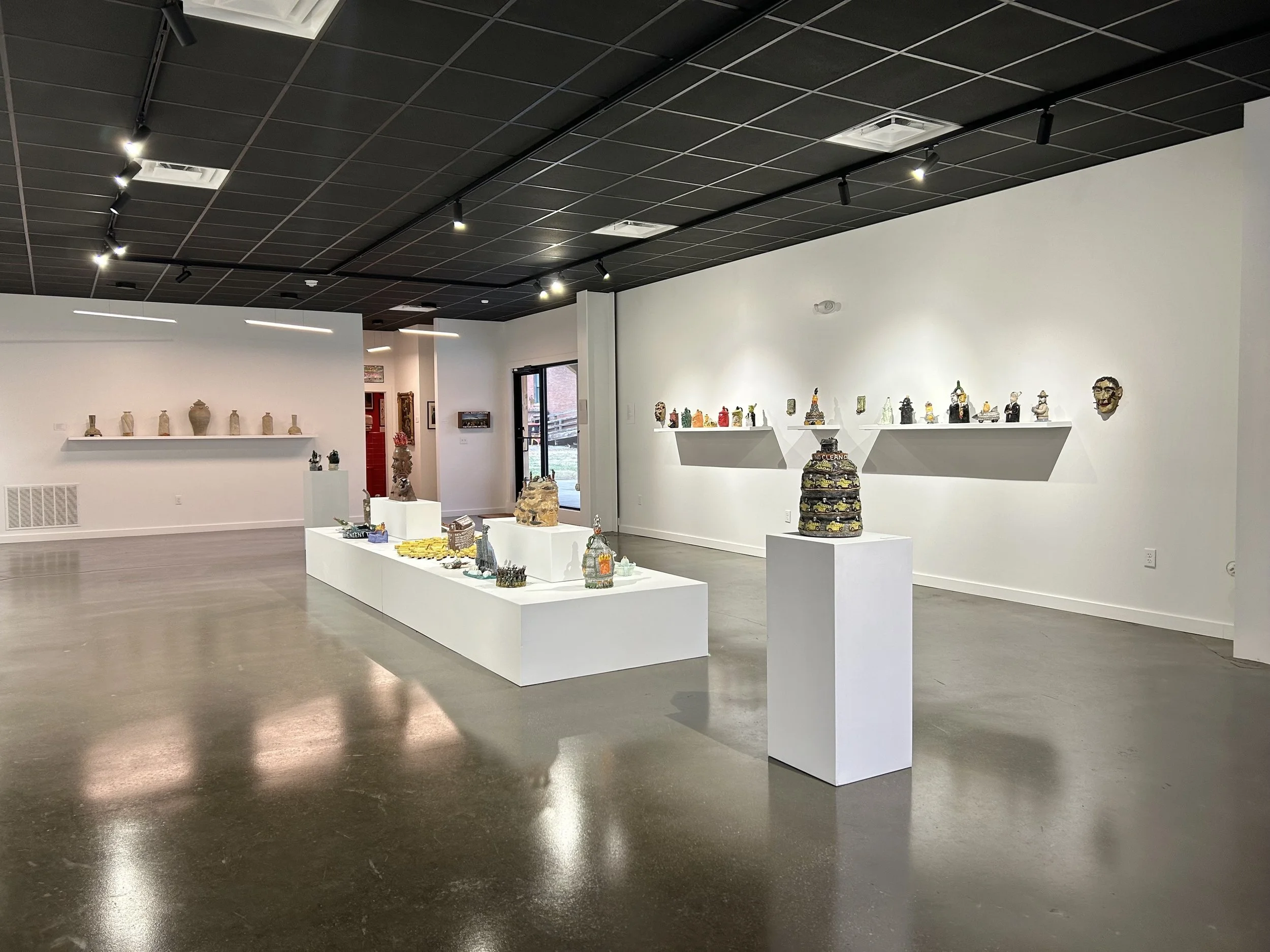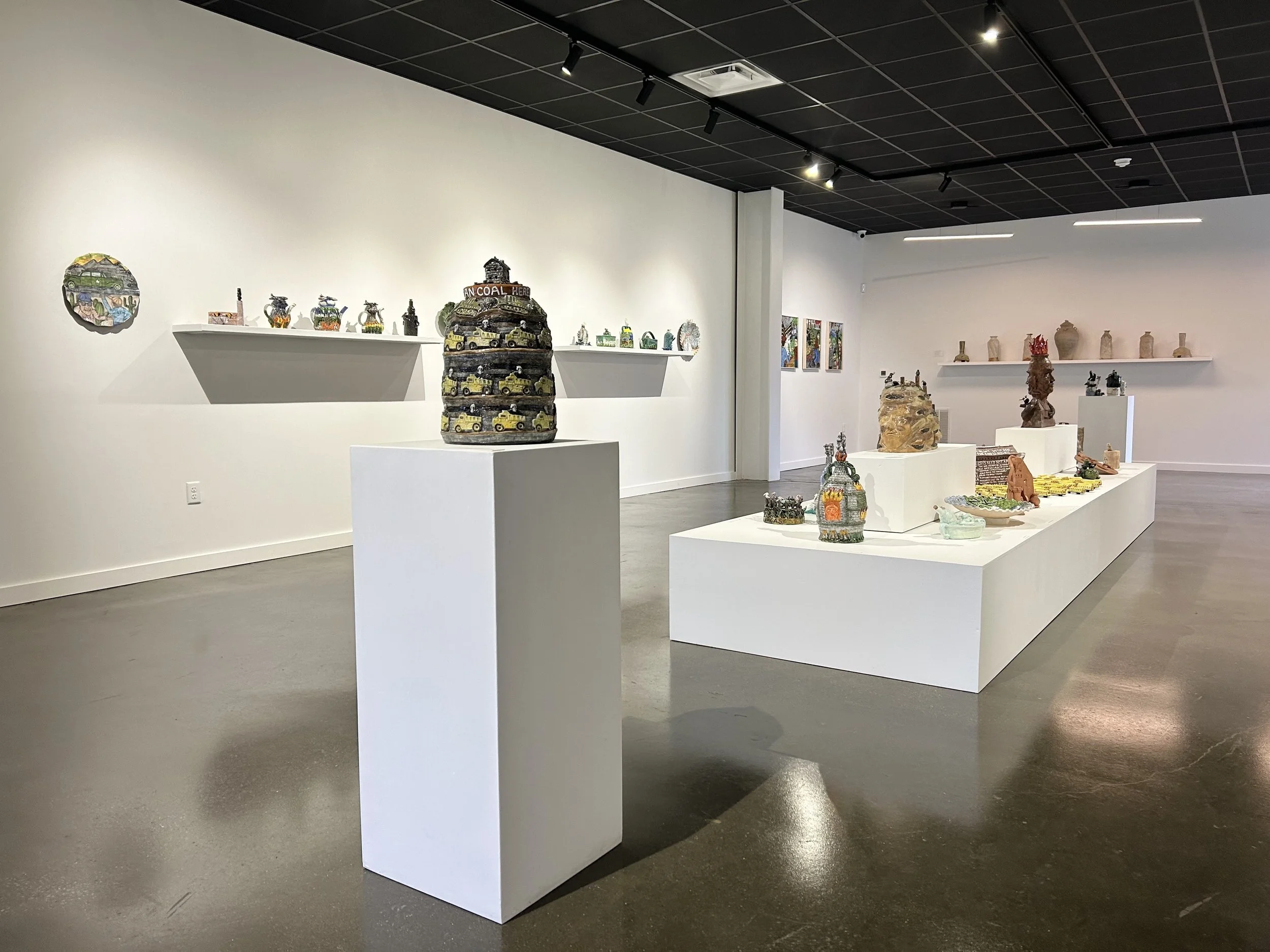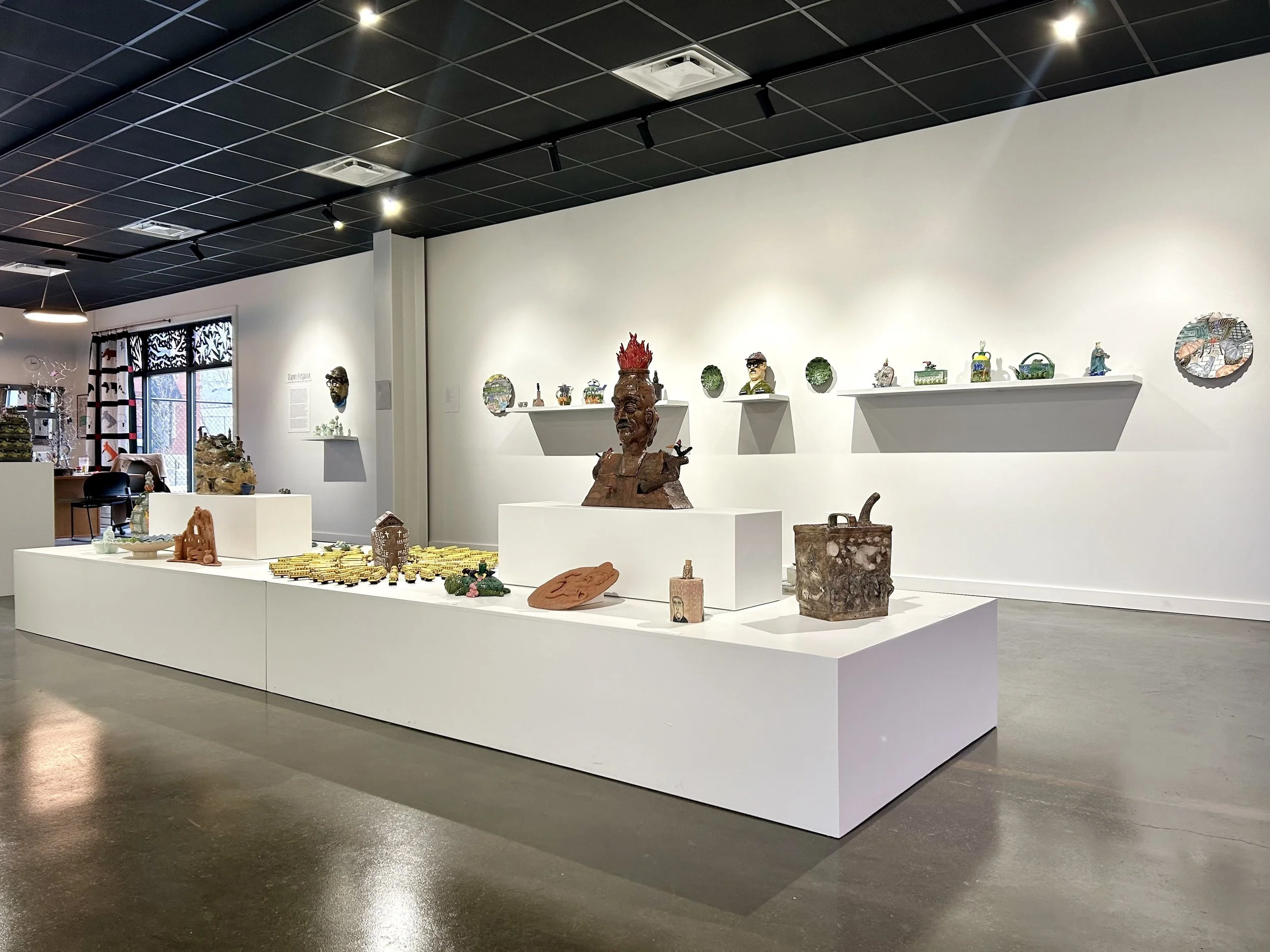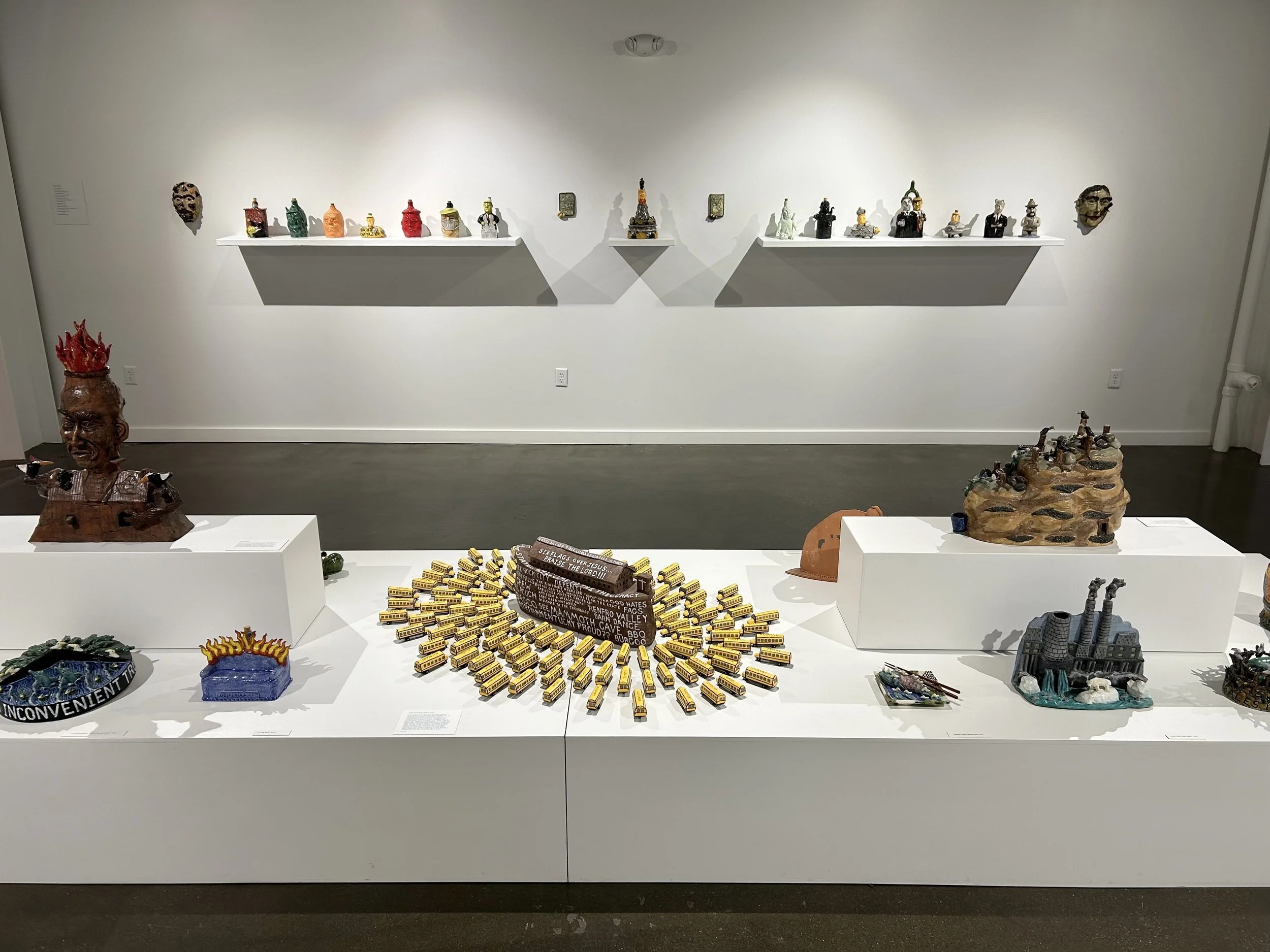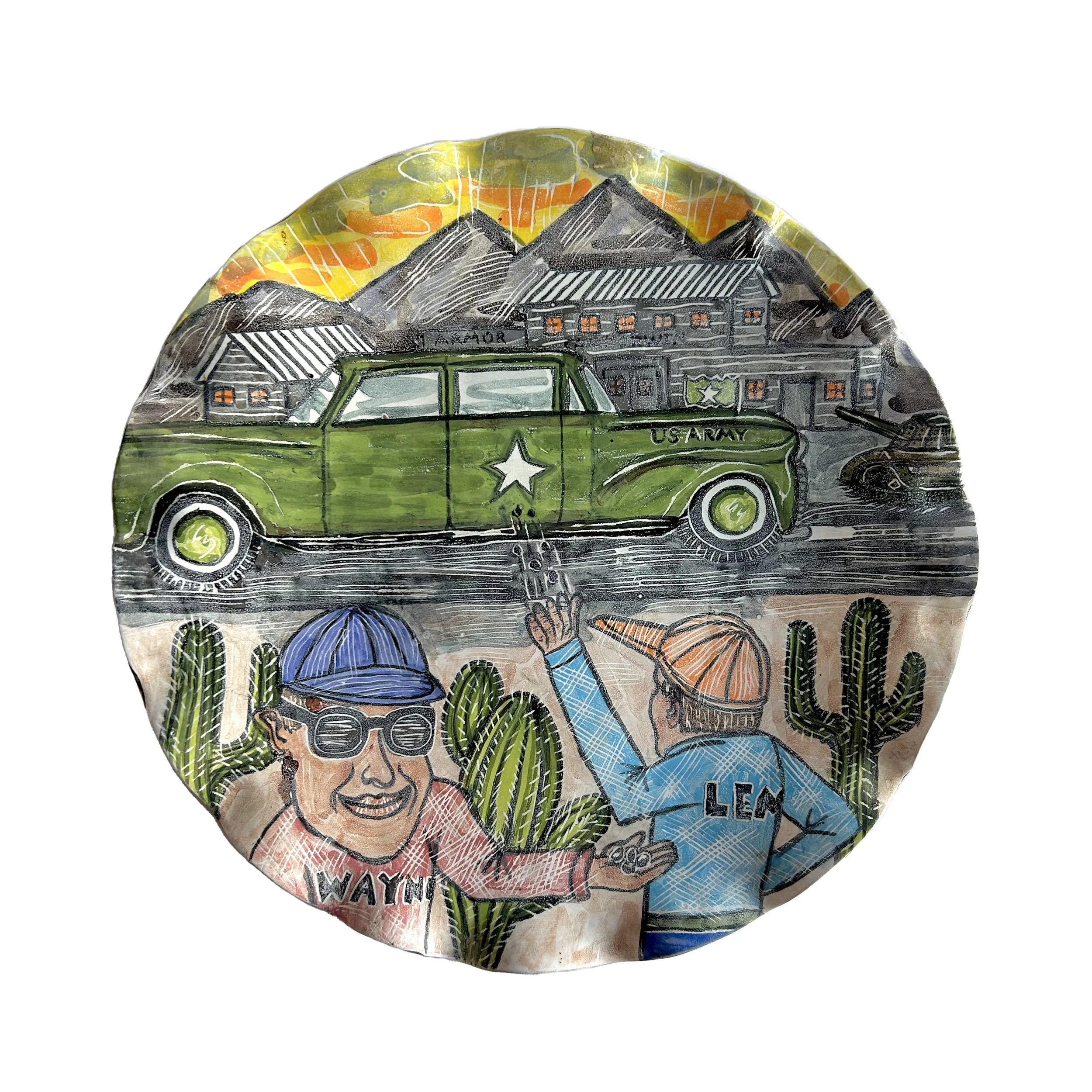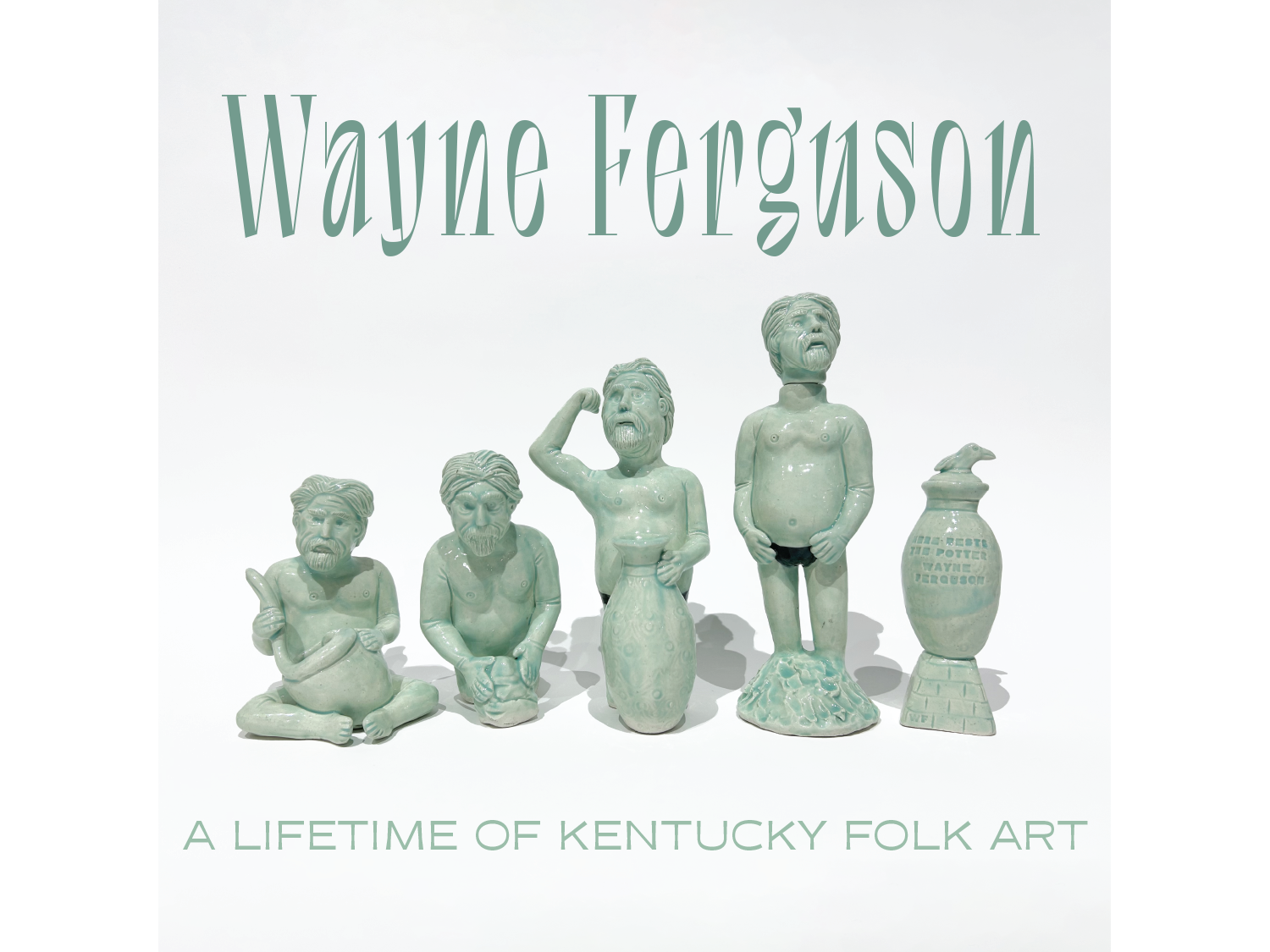
Wayne Ferguson’s artistic journey began as a young boy sitting at the kitchen table with his mother, playing with modeling clay. Despite his fascination and skill with the medium, by the time he reached high school, he was always in trouble - stealing cars, on probation, in and out of detention homes. Thankfully, he had an art teacher named Eva Hinkle who recognized his creative talent and offered him a second chance. At that time, Wayne was about to be sent off to Kentucky Village, the big reform school outside of Lexington. Acknowledging his potential, Hinkle took it upon herself to knock on the front door of the judge who was to decide Wayne’s fate. She pleaded with him, “Judge Jolly, you don’t know me, I’m Eva Hinkle. I teach art over at Belleview High School and I’m just gonna beg you not to send Wayne to Kentucky Village.” As fate would have it, the judge gave Wayne a second (or third) chance.
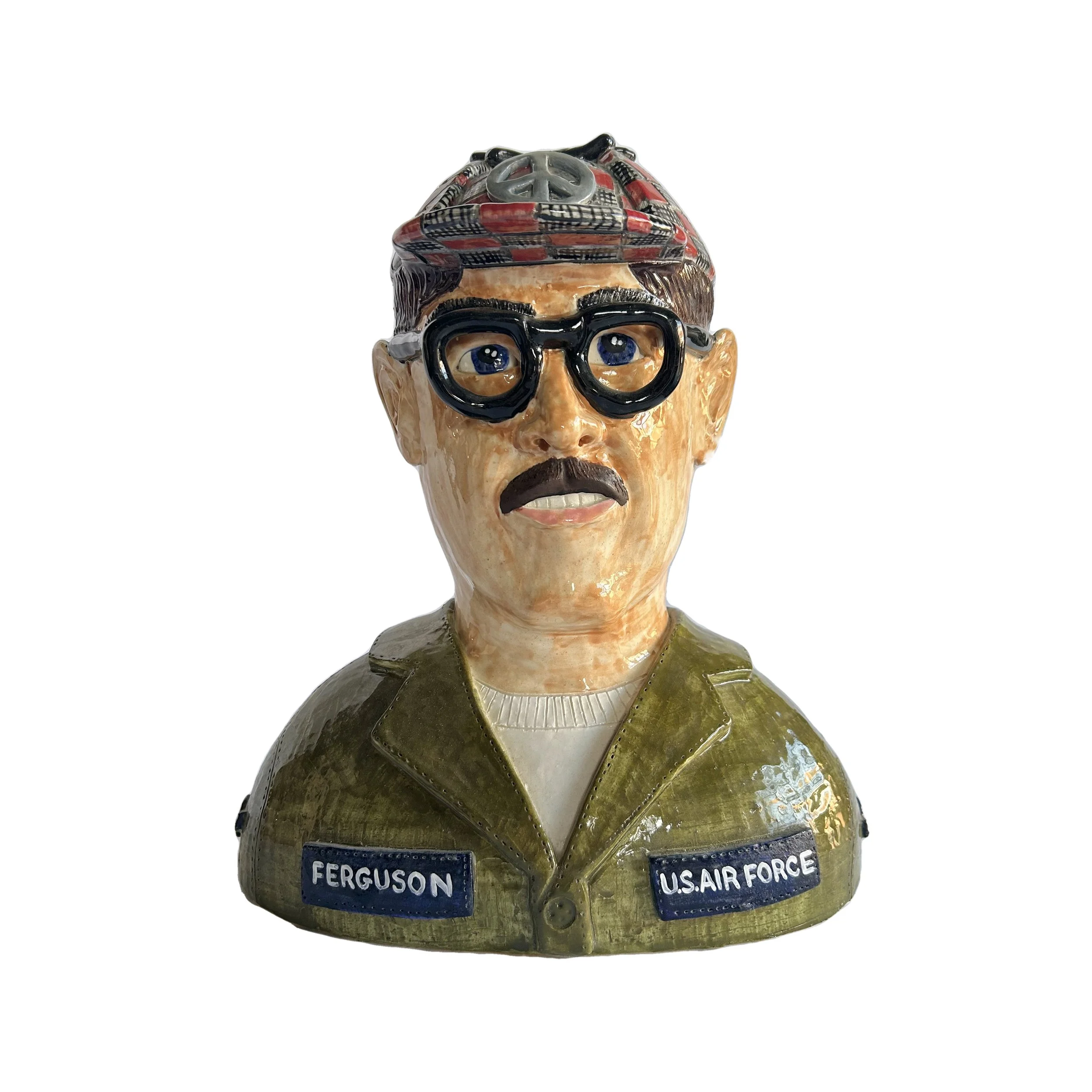
After graduating from high school in 1965, Wayne served in the Armed Forces during the Vietnam War. After his service, he studied at the University of Kentucky with the help of the G.I. Bill. During his time there, Wayne was fortunate enough to attend workshops led by some of the best clay artists of the time, including Jun Kaneko, Peter Voulkos, and Paul Soldner. Eventually, he dropped out of college and began traveling. He lived in Iowa for two years, helping to build a Japanese-style kiln. Later, he spent time in Arizona and Mexico. Eventually, he returned to Kentucky, where he has lived ever since. He’s held various art residencies and has conducted countless ceramic workshops for elementary schools, high schools, juvenile treatment centers, and senior citizen programs.
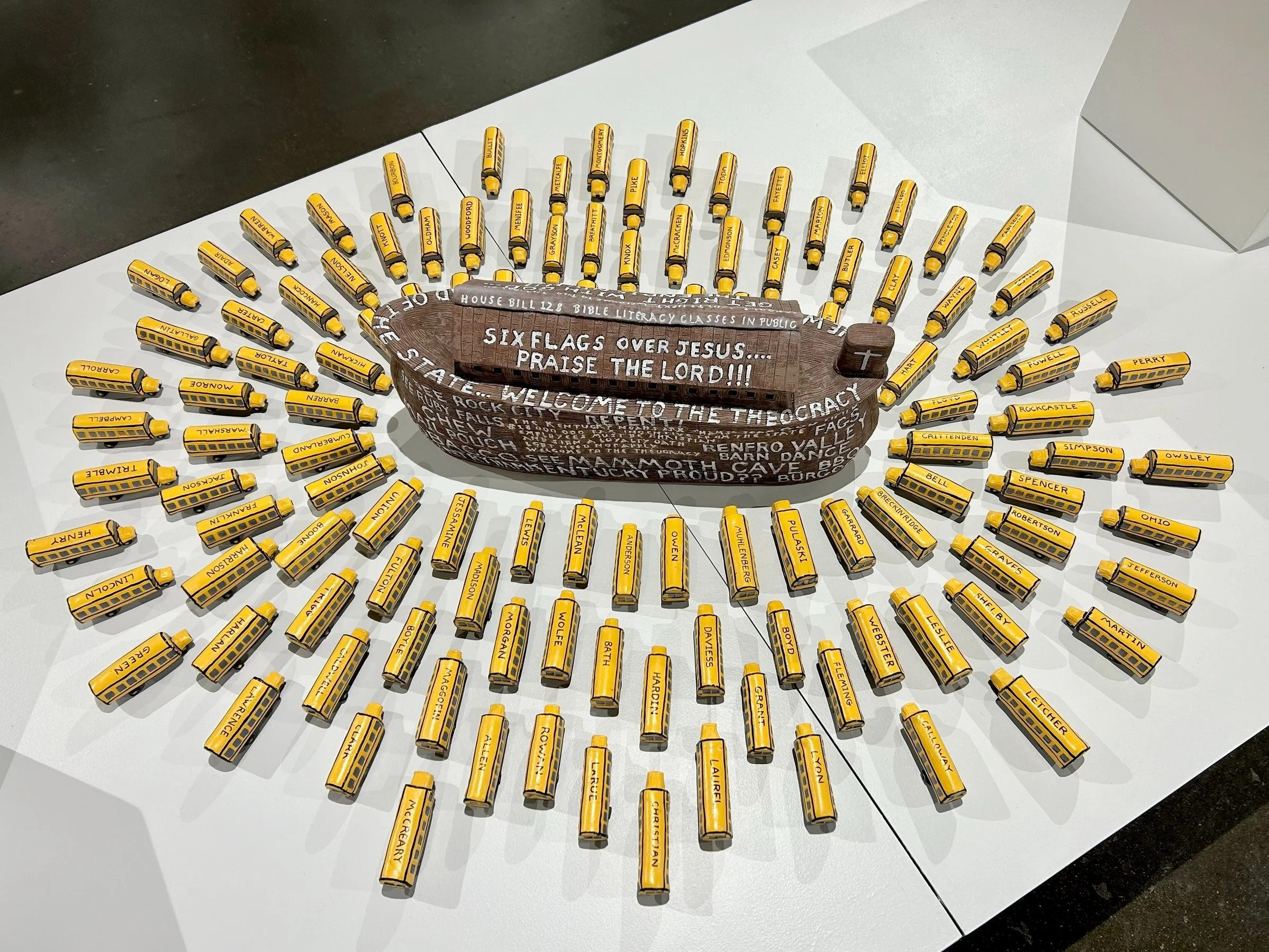
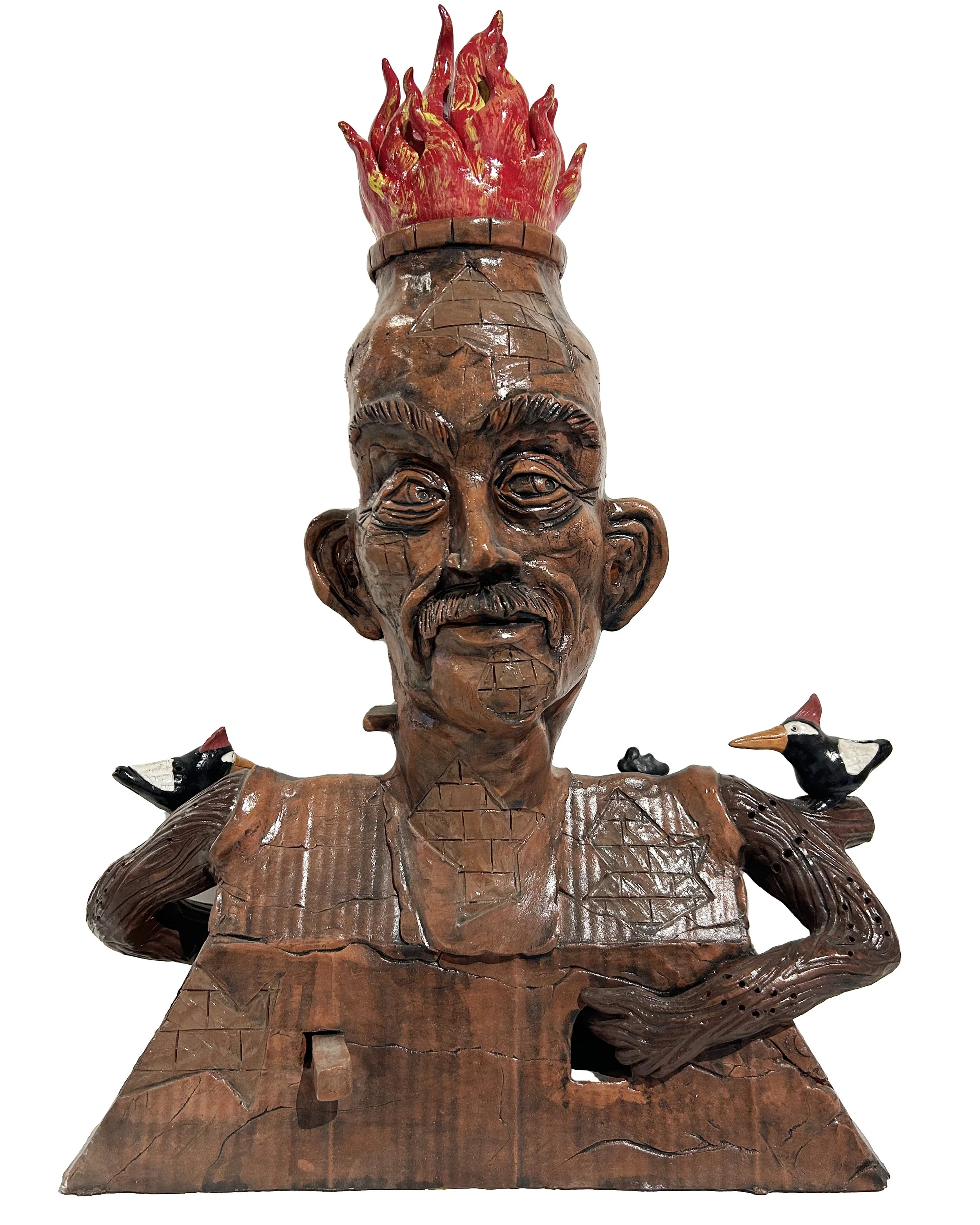
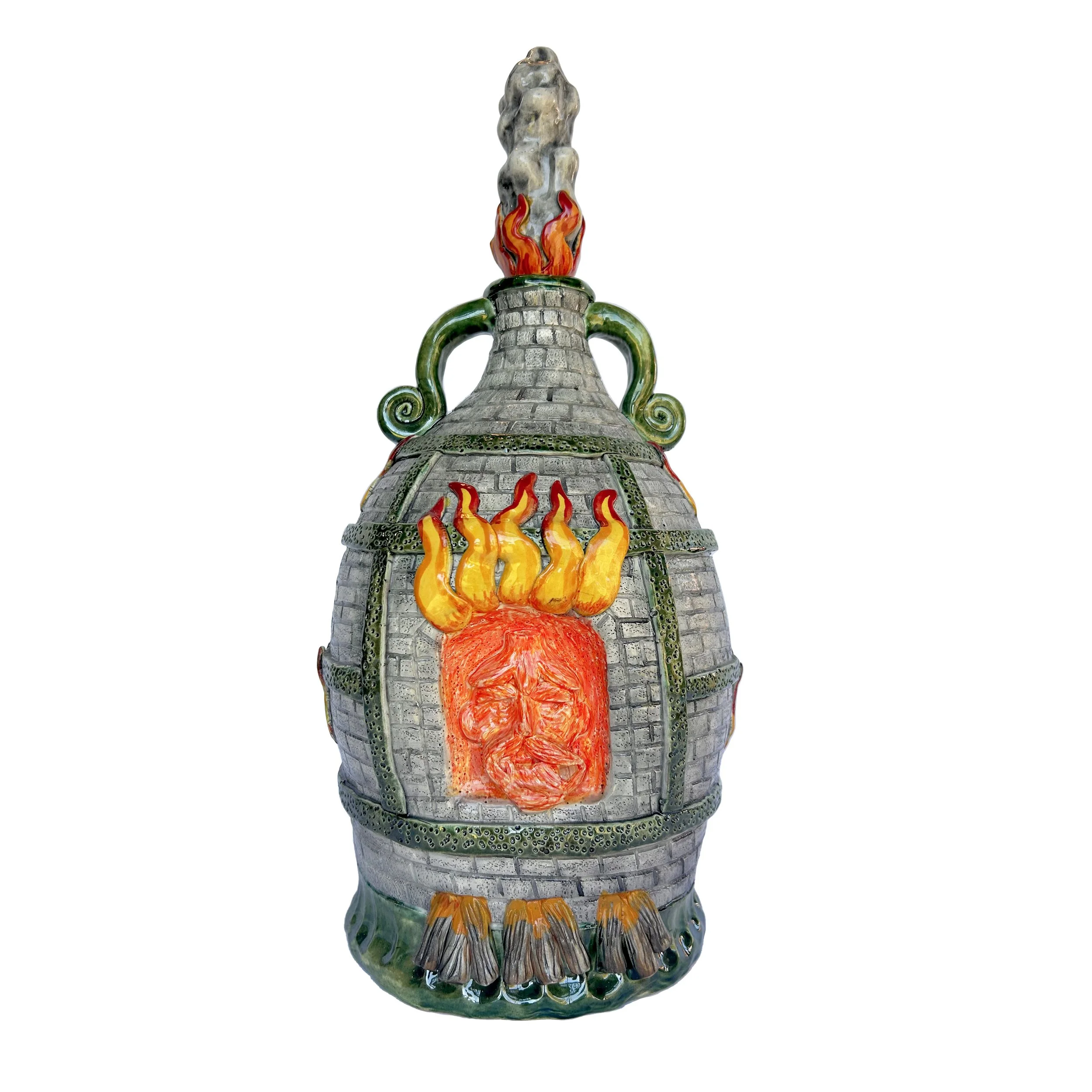
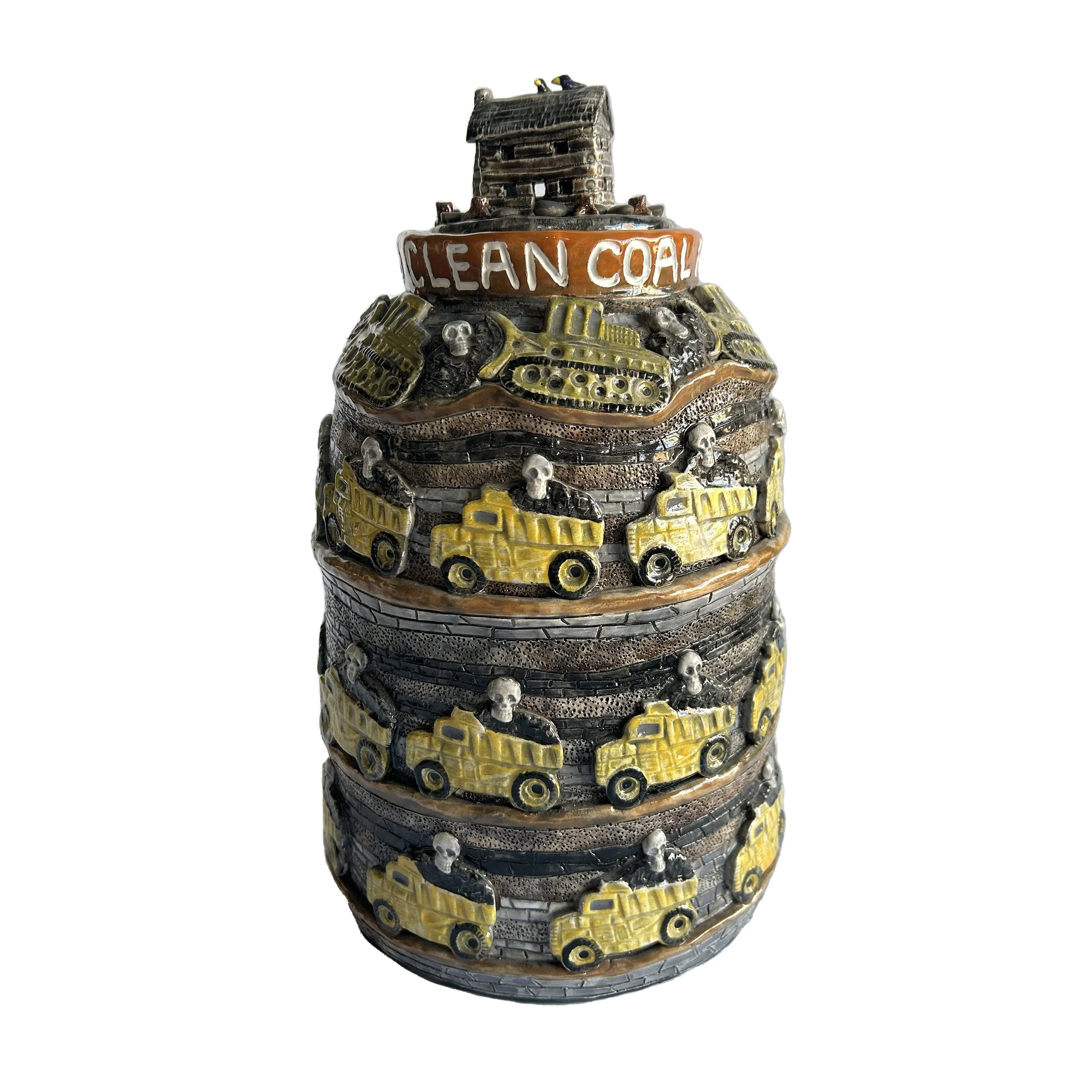
Wayne has been working professionally in clay now for over 45 years. Most of his work can be classified as holloware: vessels for water, grain, seeds and spices. Some of his pieces even function as shot glasses and smoking pipes. Many of the pieces Wayne makes are considered effigy pots, vessels which take the shape of animals or people. Various cultures throughout the Americas have made such pots, each telling a distinct story. Wayne’s work is no different, often delving into political satire and social commentary, focusing on issues ranging from global warming to political corruption to racial struggle and war.